
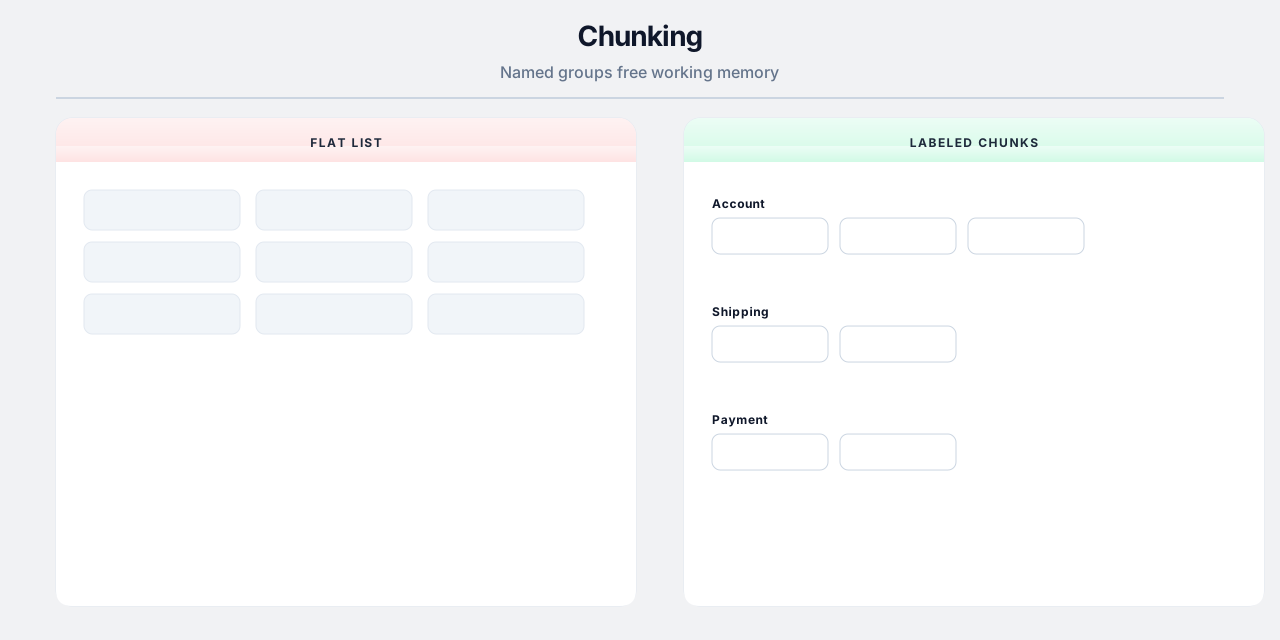
Chunking groups raw bits into familiar patterns — phone numbers, credit-card quartets, settings sections — so working memory can treat each group as one unit.
Labeled boundaries
Use headings, cards, and spacing so each chunk has a name and a clear start/end. Unlabeled blobs still feel like noise.
Match the user’s mental model
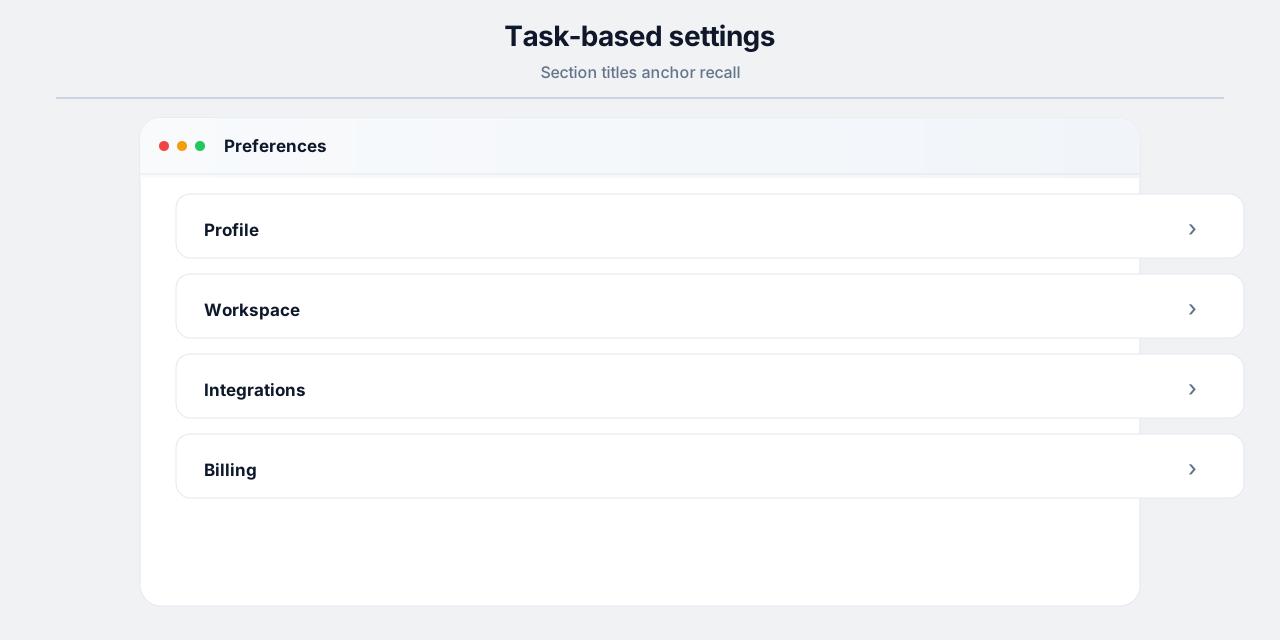
Chunk by tasks (“Shipping”, “Billing”) not by database tables. Alignment with how people think about the job beats arbitrary grouping.
Miller as a warning, not a law of seven
The exact number varies by familiarity. Well-structured chunks with patterns scale farther than rigid “max seven items” rules.
Practices
- Group form fields under task-based headings.
- Format long identifiers with consistent spacing.
- Use tables with zebra + sticky headers for scan.
Common pitfalls
- Many equal-weight cards with no section intro.
- Breaking a natural chunk across two screens without context.