
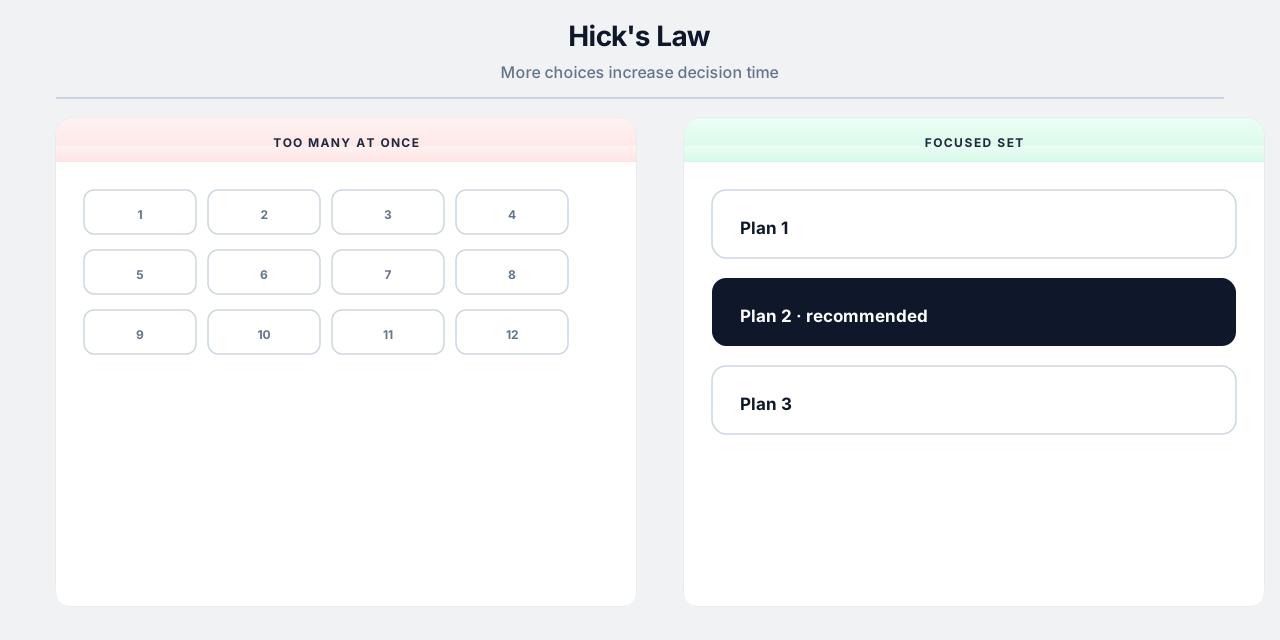
Hick's Law says decision time grows with the number and complexity of choices. It is not about removing features forever — it is about presenting them so people can compare and choose without freezing.
Why it matters
Every extra visible option adds scanning, comparison, and doubt. In critical flows (checkout, upgrades, permissions) paralysis directly hurts conversion and trust.
How to apply it
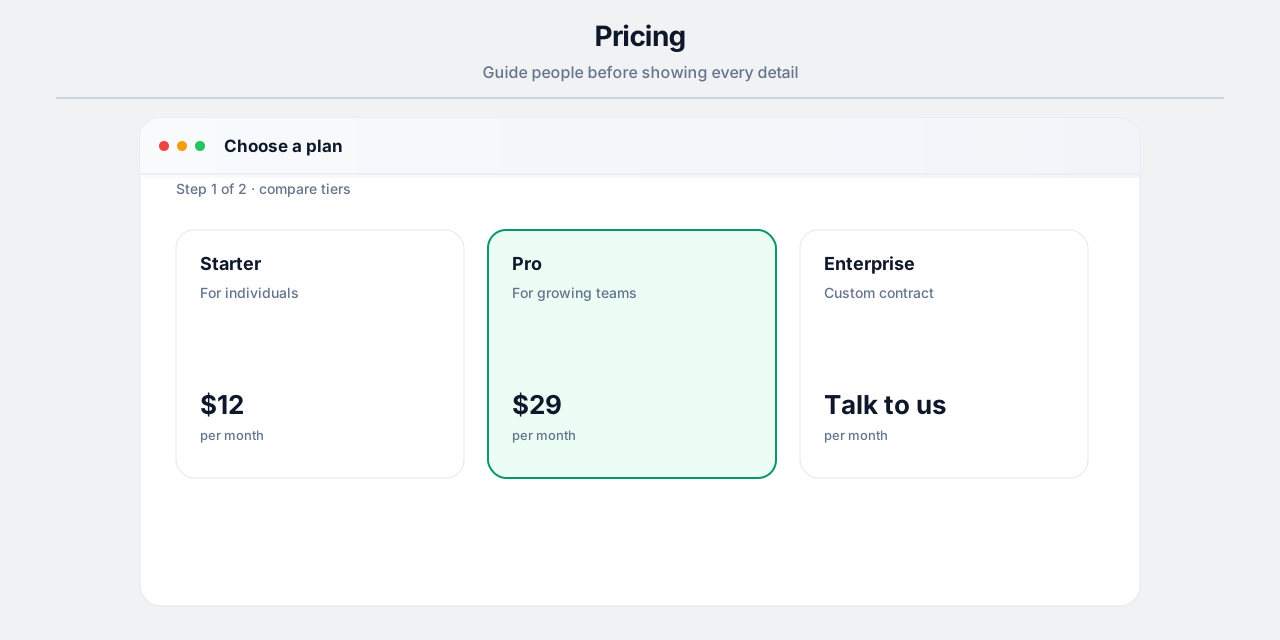
Default the safe path, collapse advanced options, use progressive disclosure, split huge menus into categories, and recommend one primary action per step.
Measure and iterate
Watch time-on-task, drop-off after option lists, and support tickets about “which plan / setting”. A/B test simplified layouts against dense ones.
Practices
- One primary CTA per screen where possible.
- Chunk long forms into steps with clear progress.
- Use “recommended” and preselection for the common case.
- Defer expert settings behind “Advanced”.
- Search and filters instead of endless browse lists.
Common pitfalls
- Hiding everything behind mystery meat icons.
- Breaking power-user workflows without shortcuts.
- Calling every feature “important” in the same visual weight.