
User-centered design anchors decisions in real goals, constraints, and evidence — interviews, observation, metrics — not only stakeholder opinions or technical convenience.
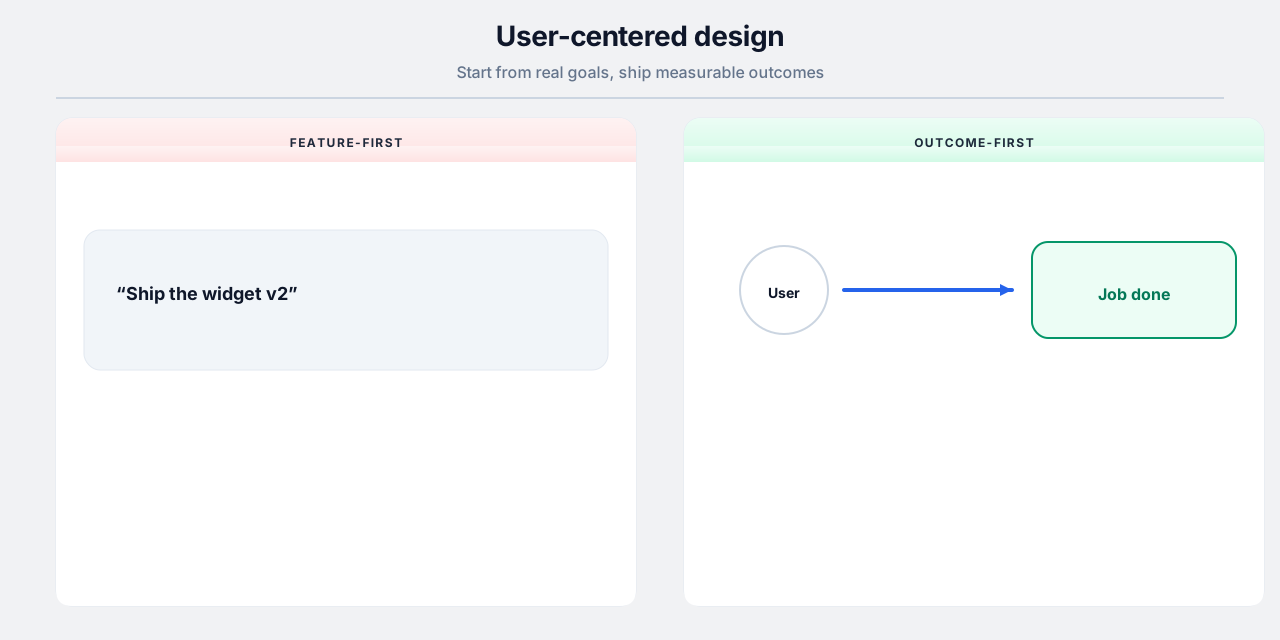
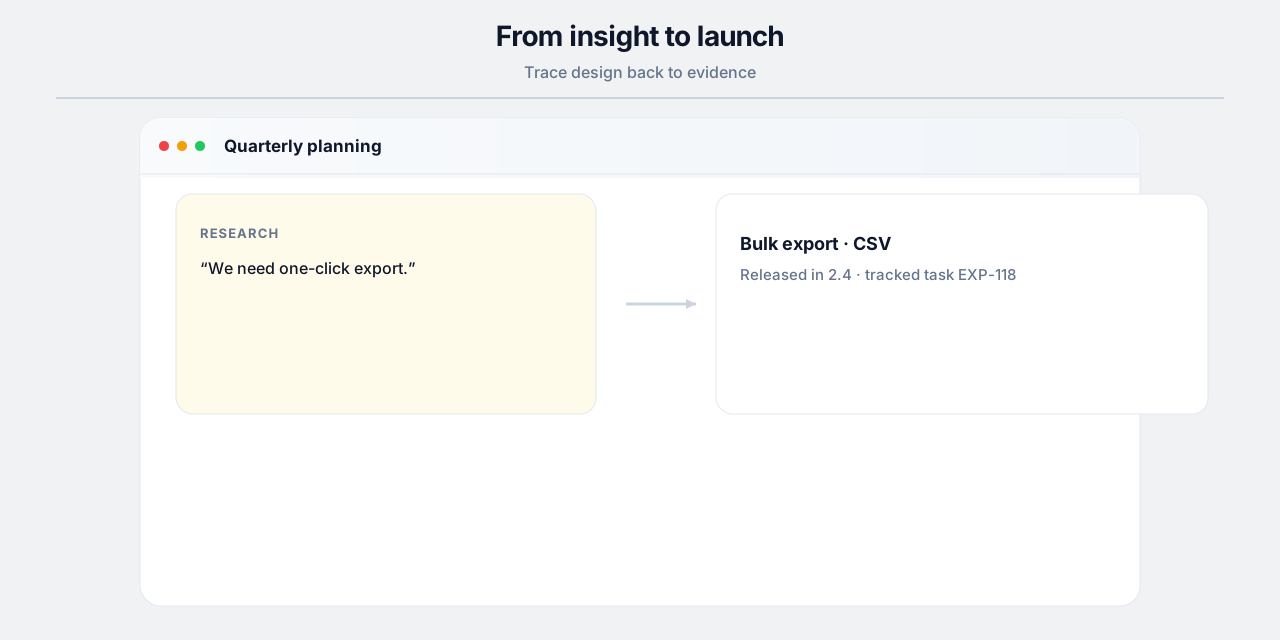
Start from problems
Frame jobs-to-be-done, context, and success criteria before pixels. Map assumptions and test the riskiest ones first.
Inclusive sampling
Include diverse abilities, devices, and regions relevant to your market. Edge cases reveal systemic gaps.
Measure outcomes
Pair qualitative insight with task success, time, error rate, and long-term retention. Ship, learn, adjust.
Practices
- Prototype tests before high-fidelity polish.
- Shadow support and sales monthly.
- Publish lightweight personas tied to data.
Common pitfalls
- Hallway tests only with coworkers.
- Optimizing vanity metrics unrelated to tasks.
- No follow-up after launch tracking.